We live in an era of unprecedented connectivity and technological advancement. Yet, despite having the world at our fingertips, a quiet exhaustion seems to shadow modern life. Burnout is normalized, stress is worn like a badge of honor, and the pursuit of success often comes at the direct expense of our vitality. In this climate, the concept of wellness has shifted from a trendy lifestyle buzzword into an essential blueprint for survival and fulfillment.
True wellness is not merely the absence of disease, nor is it a rigid aesthetic dictated by social media algorithms. It is a dynamic, multidimensional journey toward a balanced and harmonious life.
The Multidimensional Nature of Wellness
To truly understand wellness, we must expand our view beyond the physical body. Health is a tapestry woven from several interconnected threads:
- Physical Wellness: This is the most visible pillar—nutrition, movement, and sleep. It is not about punishing workouts or restrictive diets, but rather nourishing the body with wholesome foods, moving in ways that bring joy, and respecting the sacred necessity of restorative rest.
- Mental and Emotional Wellness: Our minds process thousands of inputs a day. Mental wellness involves cultivating self-awareness, managing stress, and allowing ourselves to experience emotions without judgment. It means setting boundaries and recognizing that rest is productive.
- Social Wellness: Humans are wired for connection. Meaningful relationships, a sense of belonging, and supportive communities act as a buffer against life’s hardships. Quality always outweighs quantity in our social circles.
- Environmental and Spiritual Wellness: Our surroundings deeply affect our internal state. Creating a peaceful living space, spending time in nature, and aligning with a deeper sense of purpose or personal values complete the circle of holistic health.
The Modern Obstacles to Balance
Why is achieving wellness feel so difficult? The answer lies in the friction between our biological design and our societal expectations. We are living in bodies shaped by ancient evolutionary rhythms, yet we operate them within a 24/7 digital economy.
Constant notifications trigger low-grade, chronic fight-or-flight responses. Sedentary jobs lock us behind screens, while convenience foods often prioritize shelf-life over nutrient density. Furthermore, the commercialization of wellness can make the journey feel exclusionary—implying that wellness requires expensive supplements, luxury retreats, or flawless discipline.
When we view wellness as another item on a to-do list, it becomes a source of stress rather than a sanctuary from it.
Practical Steps Toward Sustainable Integration
The path to wellness does not require an overnight overhaul of your entire life. In fact, dramatic, sweeping changes are rarely sustainable. Real transformation happens through micro-habits—small, consistent shifts that compound over time.
1. Reclaim Your Mornings
How you begin your day sets the neurological tone for what follows. Instead of reaching for your phone the moment your eyes open—flooding your brain with external demands and anxiety—try starting with a few minutes of silence, deep breathing, or simply drinking a glass of water. Give your mind a chance to wake up on its own terms.
2. Move with Intention
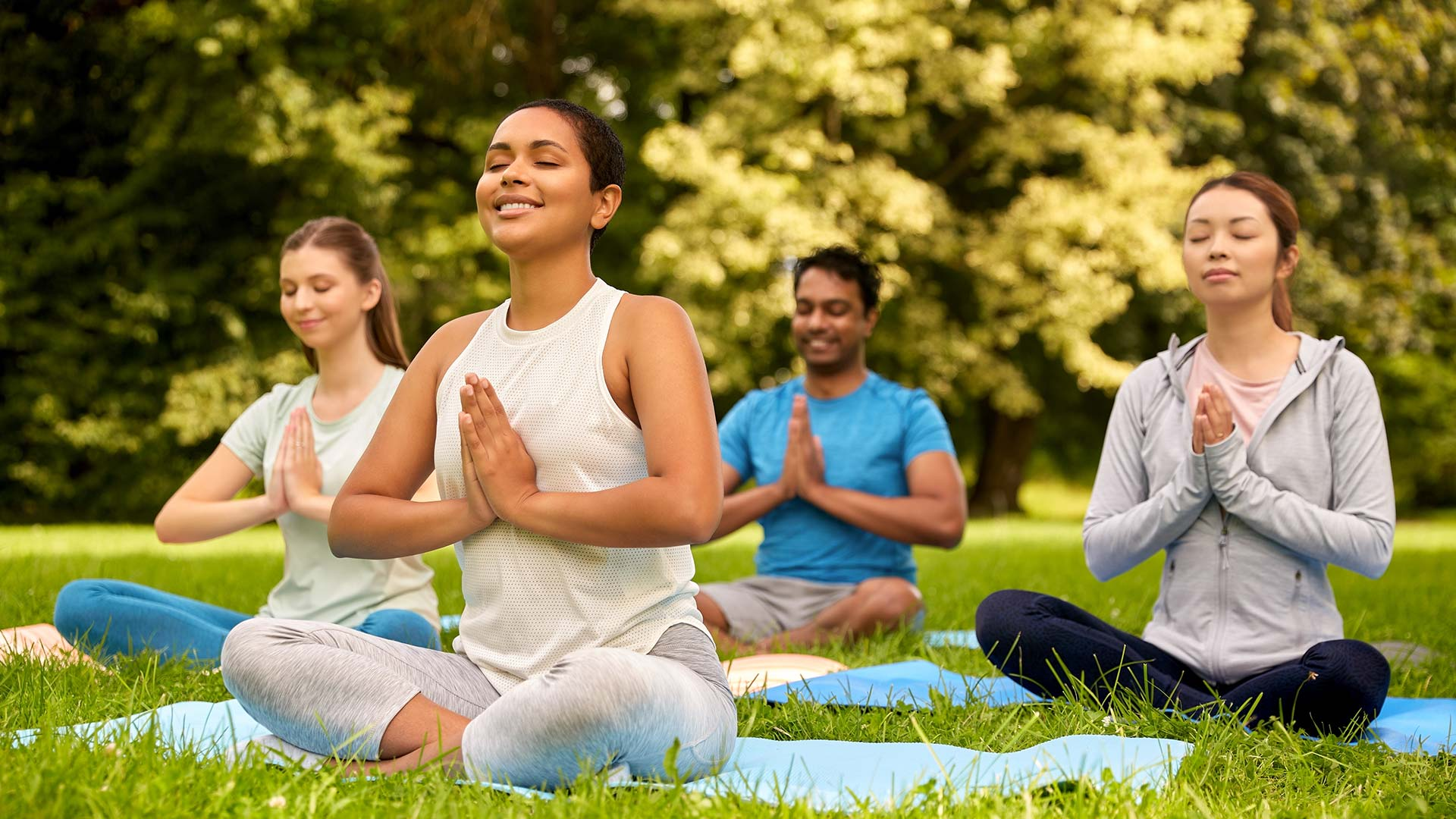
Exercise shouldn’t feel like penance for what you ate. Find a form of movement that feels like a celebration of what your body can do. Whether it is a brisk walk in the park, dancing in your kitchen, yoga, or heavy lifting, consistency matters far more than intensity.
3. Honor the Digital Sunset
The blue light from our screens tricks our brains into thinking the sun is still up, disrupting melatonin production and shallowing our sleep. Designate a time—say, one hour before bed—to turn off non-essential devices. Read a physical book, stretch, or chat with a loved one instead.
4. Cultivate Mindfulness in the Mundane
You do not need to sit in lotus posture for an hour to meditate. Mindfulness is simply the act of being present. Feel the warmth of the shower on your skin, taste the flavors in your food, and listen deeply when someone is speaking to you.
The Ultimate Destination
Ultimately, wellness is an ongoing practice of coming back home to yourself. It is not a fixed summit where you arrive and stay forever; it is the grace with which you navigate the fluctuations of life. Some days will be vibrant and energetic; others will require quiet and retreat. Both are equally valid parts of the human experience.
By letting go of perfection and embracing small, compassionate daily choices, we can transform wellness from a distant ideal into a lived reality. You do not need to change everything today. You only need to choose one small act of care for yourself, and then do it again tomorrow.