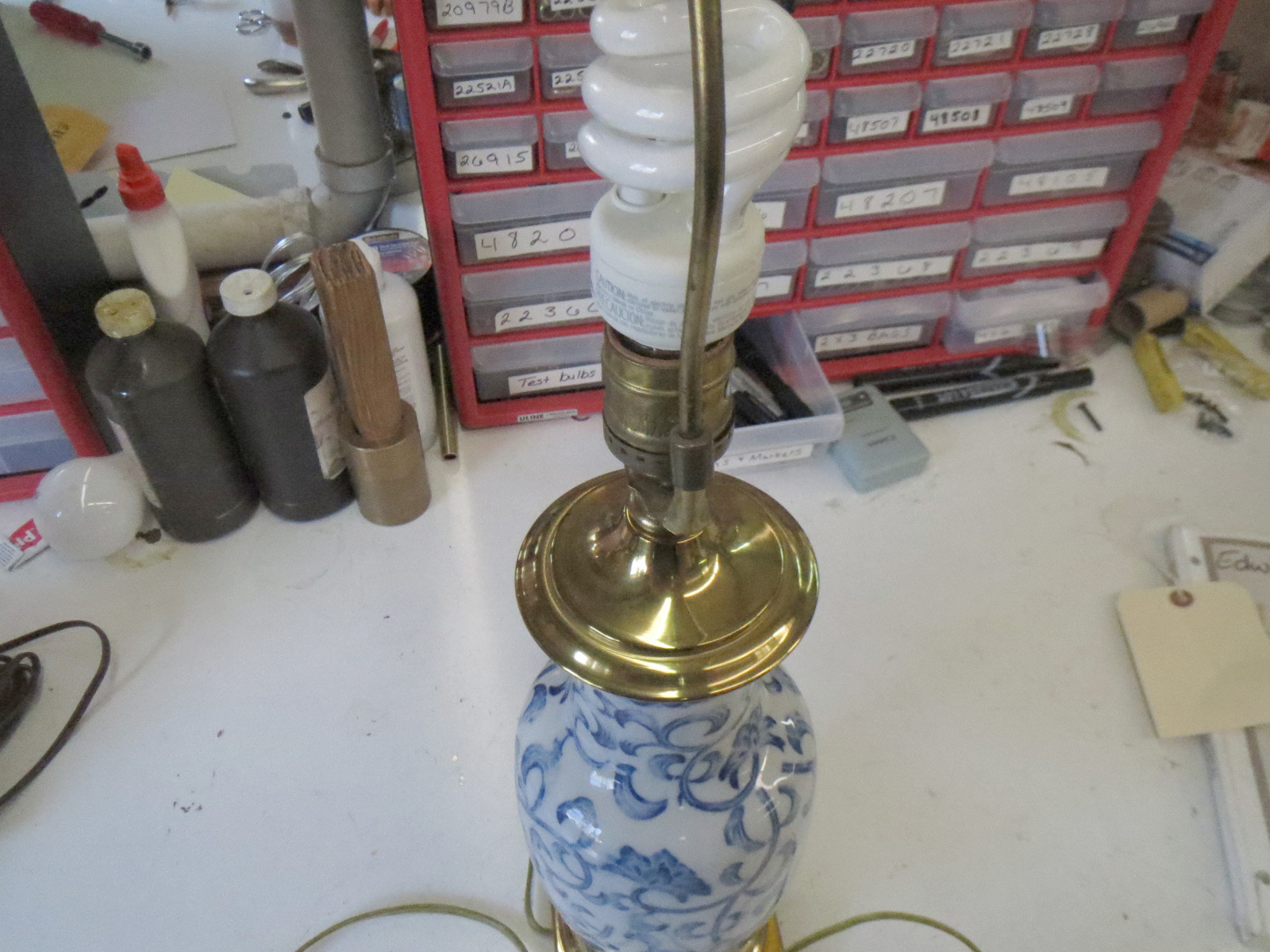
Antique lamps hold charm, character, and often sentimental value. Whether it’s a cherished family heirloom or a vintage find from a local market, restoring these lamps requires the right antique lamp supply for repair & replacement parts. Unlike mass-produced modern fixtures, antique lamps use unique components that may no longer be in regular circulation. Finding quality supplies ensures safe restoration, correct fit, and long-lasting performance.
Restoring antique lamps should be approached with the same care and precision you would apply to major home improvements like Roofing, Windows, Door, Design, redesign and repair projects. Each piece matters from wiring and sockets to shades and decorative fittings so your restored lamp functions safely and looks beautiful.
This guide helps you understand the best sources of antique lamp supplies, what parts you may need, how to safely replace components, and what to watch out for during restoration.
Why Choose Proper Antique Lamp Supplies
Antique lamps often have:
- Aged wiring that may be unsafe
- Obsolete sockets and switches
- Unique shade fittings
- Decorative parts no longer manufactured
- Non-standard bulb types
Using generic parts can compromise safety, cause damage, or reduce historical value. Supplies specific to antique restoration preserve authenticity while bringing the lamp back to working condition.
Common Replacement Parts for Antique Lamps
Before sourcing supplies, know what parts you might need:
Electrical Components
- Replacement sockets (E26, E27, candelabra bases)
- New wiring harnesses
- Switches (rotary, pull chain, push-button)
- Grounding kits
Structural Parts
- Harps and finials
- Lamp bases and column repair sections
- Rosettes, collars, and decorative rings
Shades & Diffusers
- Custom linen or silk shades
- Glass or mica diffusers
- Brass or bronze shade holders
Hardware
- Screws, nuts, washers (brass or antique finishes)
- Locknuts and spacers
How to Assess What You Need
Start with a careful inspection:
- Check the wiring:
Old cloth-covered wire is usually unsafe. Replace with modern, UL-rated wiring. - Inspect sockets and switches:
Look for wear or arcing marks. Consider replacing old sockets. - Verify shade fit:
Antique shades may use a clip-on mechanism, harp & finial, or custom brackets. - Examine decorative hardware:
Check for corrosion, missing pieces, or structural cracks.
Accurate assessment prevents unnecessary purchases and ensures proper restoration.
Safe Wiring Replacement Tips
Antique lamps often do not meet modern electrical codes. When replacing wiring:
- Use UL-listed lamp cord
- Ensure correct wire gauge
- Match socket ratings to current bulbs
- Install a polarized plug
- Verify grounding where applicable
Safety should never be compromised for authenticity.
Where to Find Quality Antique Lamp Supplies
Look for suppliers who offer:
- Genuine vintage parts
- Reproduction components
- Restoration-quality hardware
- Clear product specifications
Common sources include:
- Specialty lighting supply retailers
- Antique parts dealers
- Local salvage shops
- Professional restoration shops
Avoid generic hardware outlets that do not specialize in lighting restoration.
Matching Shades and Diffusers
Shades significantly affect both lighting and style. When selecting replacements for antique lamps:
- Use materials that complement the lamp (silk, linen, mica)
- Choose the correct fitter style (spider, uno, clip-on)
- Match shade proportions to lamp height and base width
Proper shade selection keeps design integrity intact.
Common Antique Lamp Parts & Uses
| Part | Purpose | Typical Application | Notes |
| Replacement Sockets | Holds bulb | Standard and candelabra | Use UL-rated parts |
| Wiring Harness | Electrical safety | Full lamp rewiring | Replace old cloth wire |
| Switches | On/off control | Rotary, pull chain | Match original style |
| Shades | Diffuses light | Silk, linen, glass | Match fitter type |
| Harps & Finials | Shade support | Table/floor lamps | Choose correct height |
| Decorative Trim | Aesthetics | Brass, bronze, glass | Match original finish |
| Grounding Kits | Electrical safety | Metal lamp bodies | Important for safety |
This table helps you identify what you need before ordering parts.
Best Practices for Replacement & Repair
When restoring antique lamps:
Inspect Carefully
Examine every component before disassembly.
Work in Stages
Replace wiring first, then sockets and switches, followed by shades and hardware.
Test as You Go
Use a test bulb before completing full assembly.
Preserve Original Elements
Keep decorative pieces when possible and replace only unsafe or worn parts.
Follow Modern Safety Standards
Antique lamps should be both beautiful and safe.
FAQ Section
What parts do antique lamps commonly need replaced?
Antique lamps often need new wiring, replacement sockets, switches, harps and finials, lamp bases, decorative trim, and shades. Old cloth wiring is typically unsafe and should be replaced with modern, UL-listed cord.
What type of wiring should I use for antique lamp repair?
Use a UL-listed lamp cord with the correct gauge for your lamp’s socket rating. Replace old cloth-covered wiring and ensure the replacement cord matches modern safety standards.
How do I choose the correct lampshade for an antique lamp?
Measure the lamp height and base width. Choose a shade shape that complements the lamp’s era and style (empire, drum, bell). Confirm the fitter type — spider, offer, or clip-on — before dialing in size.
Where can I find antique lamp supply parts?
Look for specialty lighting suppliers, antique parts dealers, salvage shops, and restoration retailers. Avoid generic hardware stores without dedicated lighting parts.
Can I repair an antique lamp myself?
Basic repairs like screw replacement and cleaning are manageable. However, electrical rewiring should be done carefully or by a licensed electrician to ensure safety and code compliance.
Final Suggestions
Antique lamp supply for repair & replacement requires attention to both function and history. Always start with a complete assessment before purchasing parts. Match vintage style with modern safety standards by using UL-rated wiring, correct socket sizes, and proper shades.
Choose replacement parts that preserve the lamp’s original charm while ensuring safety and reliability. With proper care and quality supplies, an antique lamp can continue to brighten your room for years without losing its character.