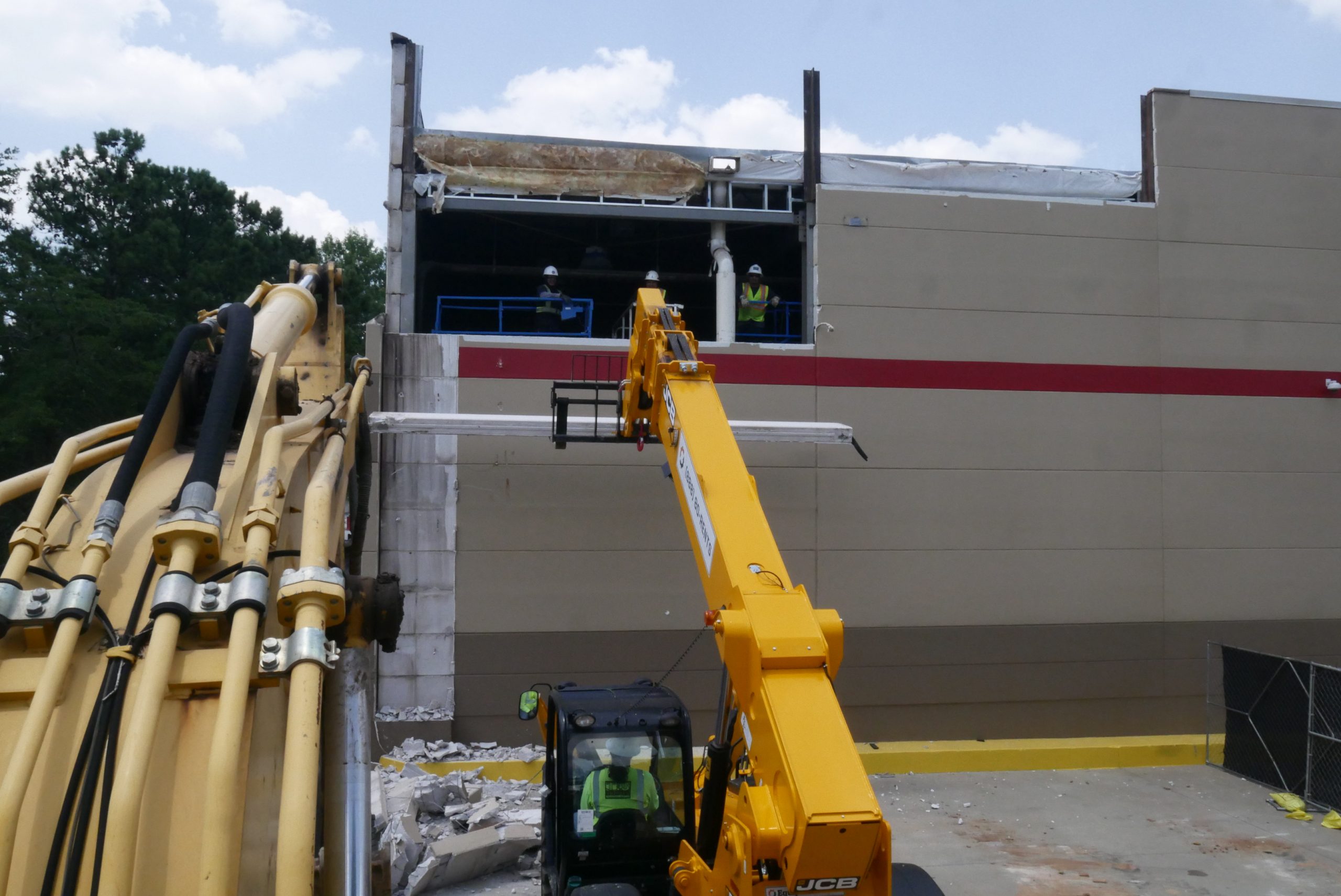
Demolition projects often involve more than just tearing down a structure. Many older buildings contain hazardous materials like asbestos, lead-based paint, and mold, which must be handled with extreme caution. Failing to properly manage these substances can pose serious health and environmental risks. Trinity Industrial Services is experienced in the safe removal and disposal of hazardous materials, ensuring compliance with all regulatory standards.
Common Hazardous Materials in Demolition
Older buildings may contain a variety of dangerous materials that require special handling, including:
- Asbestos: Found in insulation, roofing, flooring, and siding, asbestos fibers can cause severe respiratory illnesses if disturbed.
- Lead-Based Paint: Common in structures built before 1978, lead exposure can lead to neurological and developmental issues.
- Mold and Mildew: Can develop in buildings with water damage, leading to respiratory problems.
- Mercury: Found in older thermostats, lighting fixtures, and switches, mercury is highly toxic if mishandled.
- PCBs (Polychlorinated Biphenyls): Used in electrical transformers and other industrial applications, PCBs are harmful to human health and the environment.
The Hazardous Material Abatement Process
1. Site Inspection and Testing
Before demolition begins, professionals assess the structure to identify hazardous materials. Samples are collected and sent to certified laboratories for testing.
2. Permitting and Compliance
Demolition contractors must obtain the proper permits and follow all OSHA, EPA, and state regulations regarding hazardous material removal.
3. Containment and Safe Removal
To prevent exposure, hazardous materials are carefully sealed and removed using specialized equipment and protective gear.
4. Proper Disposal
Hazardous waste is transported to approved disposal facilities or treated using industry-standard procedures to minimize environmental impact.
5. Final Clearance and Site Preparation
Once hazardous materials have been safely removed, the site is re-evaluated before demolition can proceed. Proper documentation is maintained to ensure regulatory compliance.
Why Proper Hazardous Material Handling Matters
- Protects Worker and Public Health: Exposure to asbestos and lead can cause long-term health complications.
- Prevents Environmental Contamination: Improper disposal can lead to soil and water pollution.
- Avoids Legal and Financial Penalties: Violations of hazardous waste regulations can result in fines and project delays.
Trinity Industrial Services: Your Expert in Safe Demolition
With over 16 years of experience, Trinity Industrial Services specializes in hazardous material abatement and demolition. Our team follows strict safety protocols to ensure compliance with all federal and state regulations.
Learn more about our asbestos abatement services in DeKalb County and how we can help with your next project.
Contact Us
For more information or to schedule an asbestos inspection, contact Trinity Industrial Services today:
Phone: (404) 692-7049
Mailing Address: 3692 McElroy Road, Atlanta, GA 30340