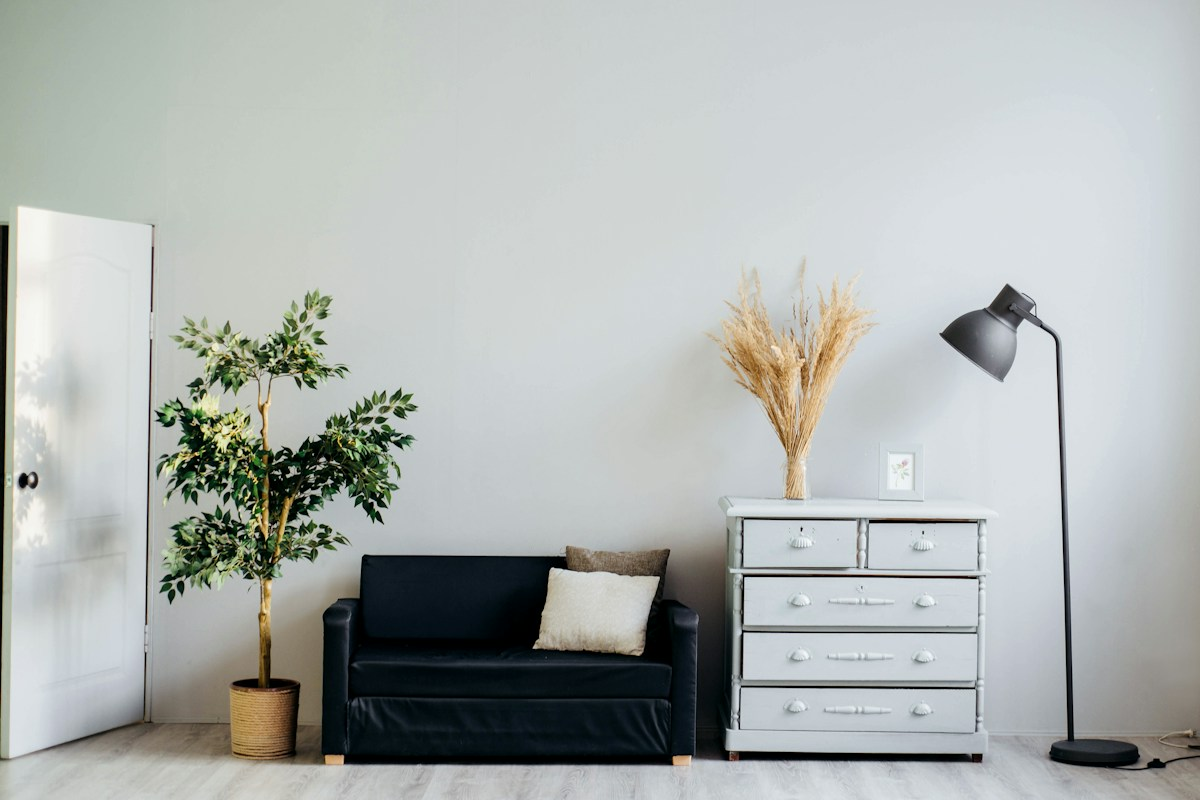
Landscaping isn’t just for large yards—small and challenging spaces can also be transformed into beautiful, functional outdoor areas with careful planning and creative design. Whether you have a tiny backyard, a balcony, or an urban courtyard, thoughtful landscaping can make the space feel larger, inviting, and practical. The key is to use smart techniques, multi-functional elements, and plant choices suited for limited areas.
Understanding the Challenges of Small Space Landscaping
Small spaces often present unique challenges:
- Limited Space: Fewer square feet mean less room for plantings, seating areas, and hardscape features.
- Light Restrictions: High walls, buildings, or shade from trees can limit sunlight for plants.
- Soil Constraints: Urban and container spaces may have shallow or poor-quality soil.
- Privacy Needs: Close proximity to neighbors can make privacy a priority.
Despite these challenges, small spaces offer opportunities for creative landscaping solutions that maximize every inch of outdoor area.
Strategies for Landscaping Small Spaces
- Vertical Landscaping:
Vertical gardens, trellises, hanging planters, and living walls allow you to add greenery without taking up ground space. They are perfect for balconies, courtyards, or urban terraces. Vertical gardening also provides visual interest and can serve as a natural privacy screen. - Container Gardening:
Pots, planters, and raised beds make it easy to grow plants in limited spaces. Containers allow for mobility, soil control, and the ability to rotate plants according to sunlight and season. Choose lightweight materials and compact plants to optimize space. - Multi-Functional Hardscapes:
Small outdoor areas can benefit from furniture and features that serve multiple purposes. Benches with storage, foldable tables, or planters that double as seating areas make the most of limited space. Paving or decking can define zones for entertaining, dining, or relaxing. - Optical Illusions and Design Tricks:
- Mirrors: Adding outdoor mirrors can create the illusion of a larger space.
- Layering Plants: Planting taller plants in the back and shorter ones in the front creates depth.
- Curved Pathways: Gentle curves in walkways can make a narrow area feel longer and more dynamic.
- Compact Plant Choices:
Use dwarf or slow-growing trees, shrubs, and perennials that won’t overcrowd your space. Evergreen plants provide year-round greenery, while flowering plants add seasonal color and interest. Herbs and vegetables can be incorporated for functional beauty.
Seasonal Care for Small Spaces
Maintaining small landscapes requires careful attention to seasonal needs:
- Spring: Fertilize and repot plants, prune dormant branches, and refresh mulch.
- Summer: Water consistently, especially for container plants, and provide shade for heat-sensitive species.
- Fall: Remove dead leaves, clean containers, and plant bulbs for spring blooms.
- Winter: Protect tender plants from frost, reduce watering, and plan for the next season’s updates.
Benefits of Landscaping Small Spaces
Even small landscaped areas provide significant benefits:
- Aesthetic Appeal: Greenery enhances the beauty and livability of urban spaces.
- Mental Well-Being: Access to even a small garden reduces stress and encourages relaxation.
- Environmental Impact: Plants help improve air quality, manage rainfall, and support pollinators.
- Property Value: A thoughtfully designed small garden or balcony adds curb appeal and enhances property value.
Conclusion
Landscaping small spaces is about maximizing every inch while balancing aesthetics and functionality. Vertical gardens, container plantings, compact plants, and multi-functional features allow even the tiniest outdoor areas to flourish.
With careful planning, creative design, and consistent maintenance, small spaces can become serene retreats, urban oases, or productive garden areas. Landscaping limited areas proves that size doesn’t limit style—every outdoor space has the potential to be beautiful, functional, and inviting.