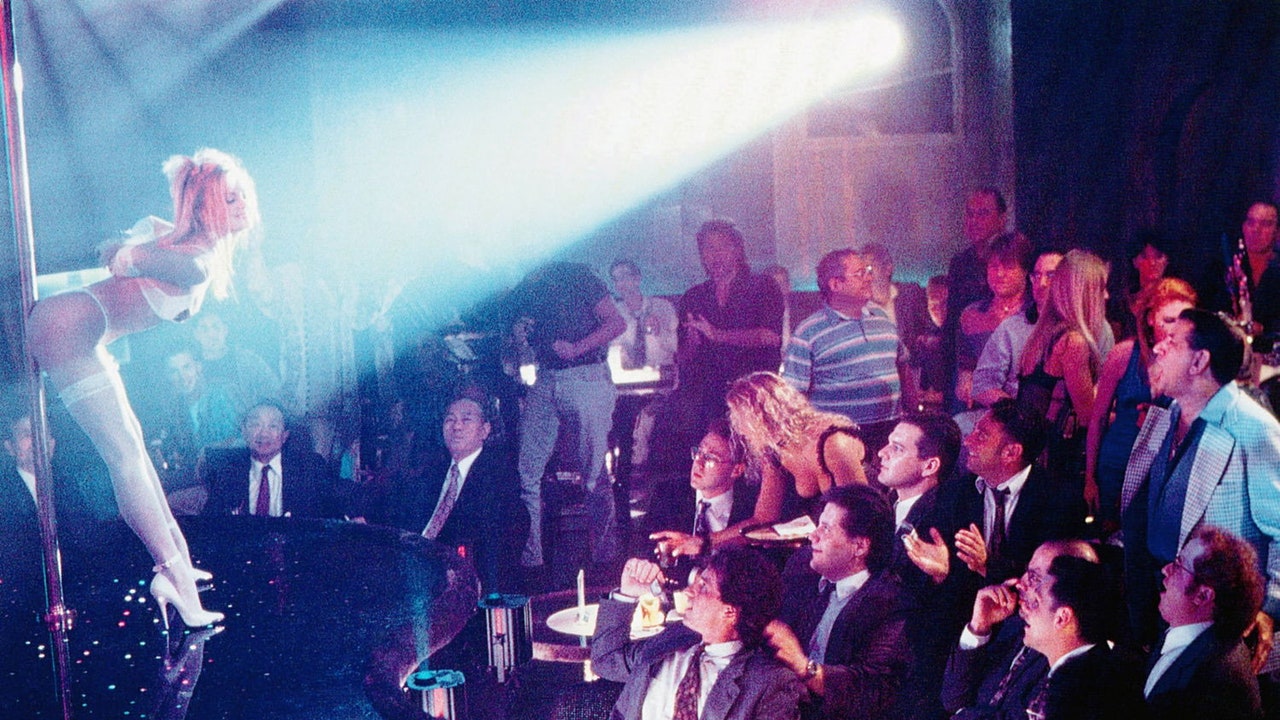
A strip club is a type of adult entertainment venue where performers dance on stage, typically in a nightclub-style setting. These establishments operate in many parts of the world and are generally restricted to adults above a certain age, often 18 or 21 depending on local laws. While they are commonly associated with nightlife culture, strip clubs are also part of a larger entertainment and hospitality industry that includes bars, lounges, and live performance venues.
Understanding strip clubs requires looking beyond stereotypes and examining their legal structure, business model, cultural role, and social considerations.
What Is a Strip Club?
A strip club los angeles is a licensed venue that features live dance performances intended for adult audiences. The atmosphere often includes stage lighting, music, seating areas, and beverage service. Some clubs focus on upscale environments with strict dress codes, while others operate more casually.
The performances typically involve choreographed dance routines, and in many regions, there are clear regulations about what performers can and cannot do. These rules vary by country, state, and city. Laws often address issues such as performer attire, stage distance from customers, alcohol service, and operating hours.
The Business Structure
Strip clubs function as private businesses and may operate under different ownership models. Some performers are employees of the club, while others work as independent contractors who earn income through stage appearances and tips.
Revenue generally comes from:
- Entrance or cover fees
- Beverage sales
- Private dance fees (where legally permitted)
- VIP room bookings
Because of strict regulations, clubs must comply with local licensing requirements, safety inspections, and employment laws. Security staff are usually present to maintain order and ensure rules are followed.
Legal and Regulatory Aspects
One of the most important aspects of strip clubs is regulation. Governments impose rules to ensure that:
- Only adults are allowed to enter
- Performers work voluntarily
- Safety and public order are maintained
- Alcohol laws are respected
In some regions, zoning laws determine where a strip club can operate. They may be restricted from opening near schools, residential neighborhoods, or religious institutions.
The legal environment surrounding strip clubs can change over time, reflecting social attitudes and political debates about adult entertainment.
Cultural Perspectives
Public opinion about strip clubs varies widely. In some cultures, they are seen as a common part of nightlife and entertainment. In others, they are controversial and face social criticism.
Supporters argue that strip clubs are a form of performance art and adult entertainment that consenting adults have the right to enjoy. Critics may raise concerns about objectification, workplace safety, or moral values.
It is important to approach the topic with respect for different viewpoints and an understanding that laws exist to balance freedom of expression with community standards.
The Experience and Environment
Strip clubs often resemble nightclubs in atmosphere. They may feature:
- Music playlists or live DJs
- Themed décor
- Bar service
- Seating arrangements around a central stage
Many clubs emphasize professionalism and customer service. Staff typically include bartenders, security personnel, managers, and entertainers.
Some venues market themselves as high-end lounges with strict behavior policies, aiming to create a controlled and respectful environment.
Safety and Responsibility
Like all nightlife venues, strip clubs must prioritize safety. This includes:
- Checking identification at the entrance
- Employing trained security staff
- Enforcing codes of conduct for guests
- Providing safe working conditions for performers
For guests, responsible behavior is essential. Most clubs clearly outline rules regarding photography, physical contact, tipping etiquette, and respectful conduct. Violations can lead to removal from the premises.
Economic Impact
Strip clubs contribute to local economies through employment, taxes, and related spending. They may attract tourists, particularly in entertainment-focused cities known for nightlife.
Employees in this industry include not only performers but also hospitality staff, maintenance workers, accountants, and marketing professionals. As part of the broader entertainment sector, strip clubs operate similarly to other live-performance businesses in terms of staffing and management.
Misconceptions and Realities
There are many misconceptions about strip clubs. Media portrayals often exaggerate or dramatize the environment. In reality, most licensed establishments operate under structured rules and professional guidelines.
Another common misunderstanding is that all clubs are the same. In fact, there can be significant differences in atmosphere, pricing, performance style, and customer demographics.
Understanding these nuances helps create a more informed and balanced perspective.
Ethical and Social Considerations
Discussions around strip clubs often touch on larger topics such as gender equality, labor rights, and personal freedom. Some view the industry as empowering for individuals who choose to work in it, while others express concern about social impact.
These conversations continue to evolve, influenced by changing cultural attitudes and legal reforms. Respectful dialogue and awareness of the law are important when discussing this topic.
Final Thoughts
A strip club is a regulated adult entertainment venue that forms part of the nightlife and hospitality industry. While opinions about them differ, they operate within legal frameworks designed to protect workers, customers, and communities.
Understanding strip clubs from a factual and balanced perspective allows for more informed discussions. Like many aspects of entertainment culture, they reflect broader social trends, economic factors, and evolving public attitudes.